Adult Track | Autism and Development Disabilities Track
Behavioral Medicine | Child Track | Rehabilitation Neuropsychology Track
If you would like to speak to interns who have completed the program please email psychsom@uw.edu.Che
General Adult Psychology
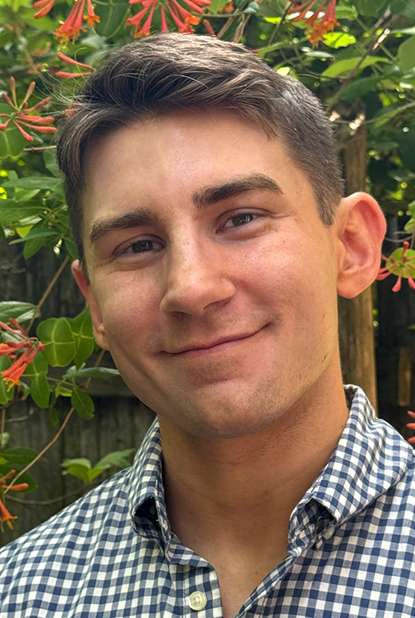 Jack Buss, BS
E-mail: jbuss@uw.edu
Graduate Program: Indiana University – Bloomington
Clinical/Research Interests: John’s research focuses on understanding the structure and heterogeneity of psychopathology using quantitative and data-driven methods. Drawing from his background in engineering, his work examines how assumptions embedded within traditional psychiatric diagnostic systems may obscure the underlying organization of mental disorders. Clinically, John integrates evidence-based cognitive behavioral approaches with a strong interest in working with individuals experiencing complex and comorbid medical and psychiatric concerns, as well as in expanding access to accessible mental health care through technology. He is especially committed to improving the conceptualization and treatment of psychological disorders through research that bridges clinical science and clinical practice.
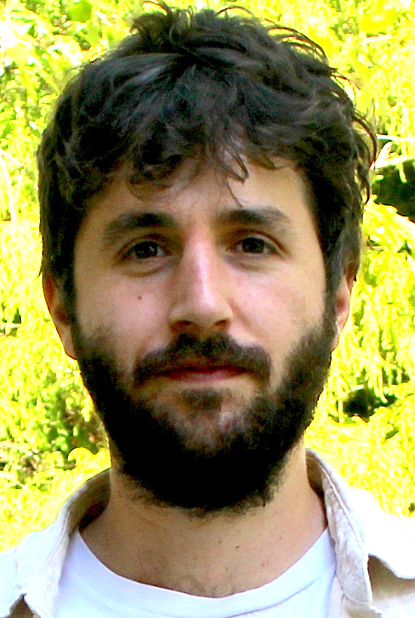 Noam Newberger, MA
E-mail: newbn@uw.edu
Graduate Program: University of Rhode Island
Clinical/Research Interests: Noam’s research interests include using culturally-informed, idiographic, and harm reduction approaches to understand comorbid PTSD and substance use. His dissertation, funded by the National Institute on Drug Abuse, identifies facilitators and barriers of treatment utilization during the period of community re-entry following residential opioid use disorder treatment.
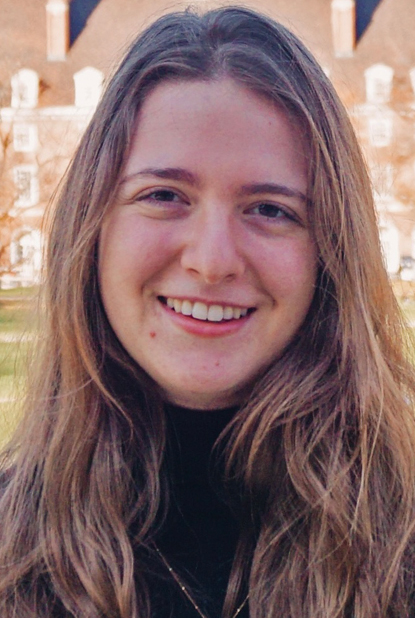 Katrina Rbeiz, MS
E-mail: krbeiz @uw.edu
Graduate Program: Vanderbilt University
Clinical/Research Interests: Katrina’s clinical and research interests focus on improving culturally responsive, evidence-based care for individuals with serious mental illness, complex trauma, and co-occurring medical and psychiatric concerns. Her research examines how risk (e.g., trauma, social disconnection) and resilience (e.g., social identity) factors shape outcomes for diverse populations with psychotic spectrum conditions. Katrina’s clinical training has included academic medical center, inpatient psychiatry, specialty medical, and VA settings, where she has delivered CBT, ACT, DBT-informed interventions, and interventions for ARFID in the context of celiac disease. At UW School of Medicine, she looks forward to expanding her skills in multidisciplinary care, trauma-informed and culturally responsive intervention, integrated behavioral medicine, and recovery-oriented treatment for individuals with serious mental illness and complex clinical presentations.
Autism and Developmental Disabilities
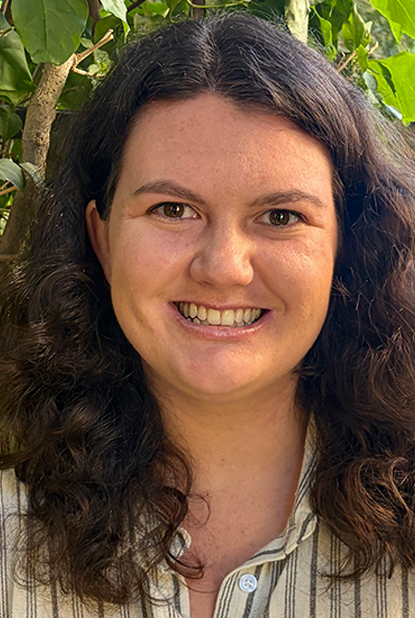 Katie Callaci, MA
E-mail: ccallaci@uw.edu
Graduate Program: Loma Linda University
Clinical/Research Interests: Katie is dedicated to supporting children with neurodevelopmental conditions (e.g., autism) and their families. As a sibling of an autistic adult, Katie’s clinical and research interests focus on the overlap of autism and mental health conditions, especially chronic sleep difficulties, anxiety, OCD, and sensory processing challenges. Katie is passionate about incorporating siblings, parents, and other family members into her intervention work and hopes to expand services for neurodivergent individuals in the Latinx community. Outside of psychology, Katie enjoys yoga, puzzles, and going to comedy shows.
Behavioral Medicine
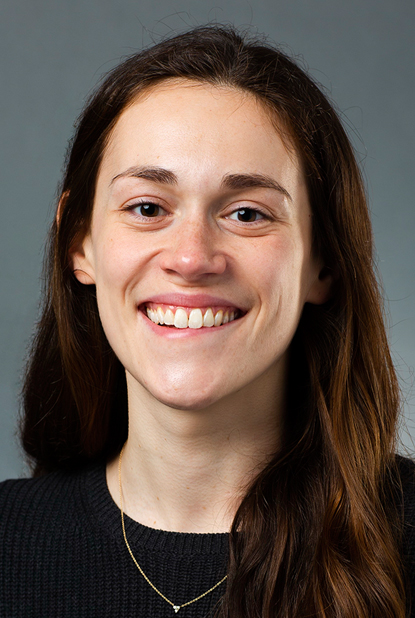 Mira Reichman, MS
E-mail: mreichma@uw.edu
Graduate Program: Brown University
Clinical/Research Interests: Mira (she/her) is an incoming resident in the Behavioral Medicine track. Mira is coming from the Clinical Psychology PhD program at the University of Washington and is thrilled to be staying at the UW for residency and continuing to foster collaborations and community here. Mira’s research focuses on the development of psychosocial interventions to reduce distress and promote coping in patients with chronic and acute medical illnesses and their family members. Mira is particularly passionate about using qualitative and community-engaged methods, and motivated towards the goal to improve psychosocial care and outcomes for patients and family members across diverse medical settings. In her free time, Mira loves to run, to cook and bake for friends, and to explore the beautiful PNW.
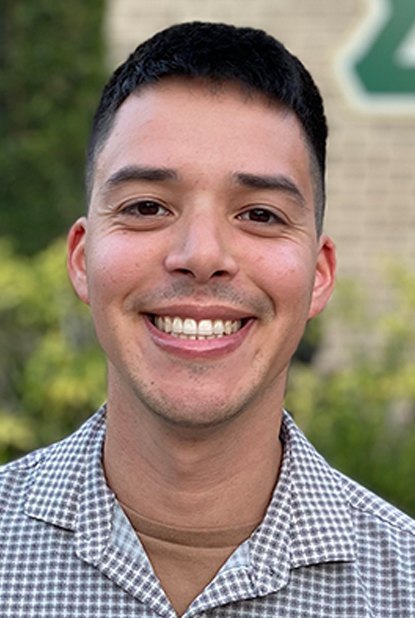 Dylan Serpas, MS
E-mail: dserpas@uw.edu
Graduate Program: University of South Florida
Clinical/Research Interests: Dylan’s primary clinical interests are in acquired brain injury and rehabilitation, adjustment to disability, and neuropsychological assessment in medically complex patients. His research examines psychosocial stressors among adults with disability and psychometric issues in health disparities research.
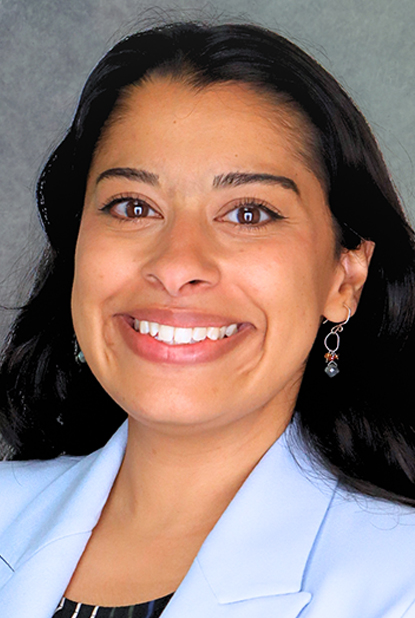 Andrea Thomas, MA
E-mail: pat5@uw.edu
Graduate Program: University of Alabama at Birmingham
Clinical/Research Interests: Andrea’s research focuses on the biopsychosocial factors and mechanisms underlying pain in historically underserved populations, with a particular focus on social determinants. Her recent work explores cognitive function, neighborhood deprivation, and chronic pain in older adults with knee osteoarthritis. Clinically, she works with individuals adjusting to and coping with lifelong and serious medical conditions, including spinal cord injury, cancer, and chronic pain. Andrea is actively involved with the broader scientific community; she serves on committees for the United States Association for the Study of Pain and the International Neuropalliative Care Society. Outside of work, she enjoys painting, reading, and spending time in nature.
General Child Psychology
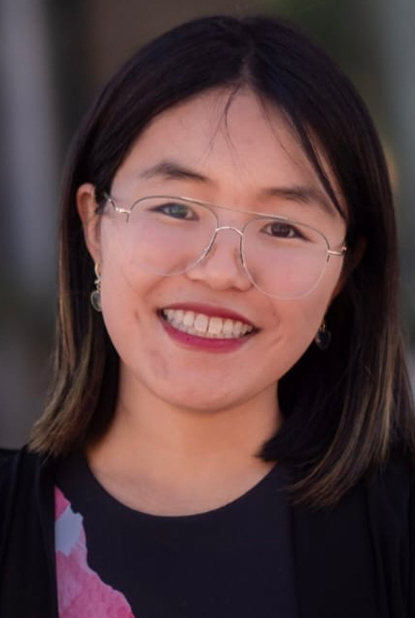 Qiyue Cai, MA
E-mail: qcai07@uw.edu
Graduate Program: Arizona State University
Clinical/Research Interests: My clinical and research interests focus on how trauma-informed and trauma-focused treatments can promote resilience and well-being among families across preventive and clinical settings. Specifically, I am interested in understanding “what works best for whom,” with the goal of developing personalized interventions and advancing the equitable dissemination and implementation of evidence-based practices in culturally responsive ways. My clinical approach emphasizes collaboration, cultural humility, and the use of evidence-based treatments tailored to each individual’s and family’s unique strengths, identities, and contexts. I am especially committed to working with youth and families from marginalized communities and increasing access to high-quality, culturally responsive mental health care.
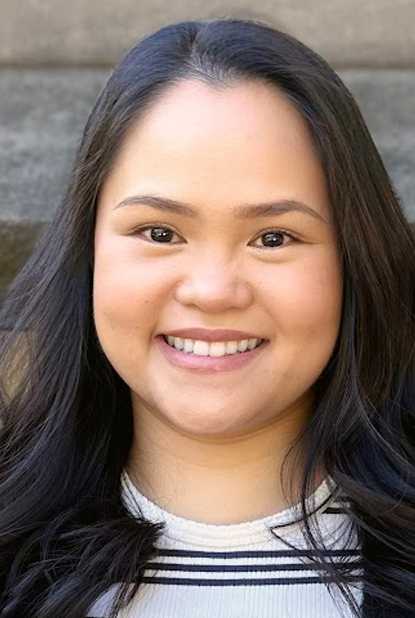 Phuonguyen (Hailey) Chu, MA
E-mail: pvchu@uw.edu
Graduate Program: Case Western Reserve University
Clinical/Research Interests: My research examines how cognitive and sociocultural processes contribute to internalizing disorders in youth. By examining the relationship between constructs such as parenting, self regulation, and peer relationships, my research aims to guide the adaptation and development of preventive interventions that are responsive to the needs of diverse families. I focus on identifying transdiagnostic, modifiable mechanisms that can improve the reach and impact of mental health services for underserved communities. Clinically, I integrate contextual frameworks to tailor evidence based treatments to each family’s unique needs. I center my work on understanding the barriers children and families must navigate and exploring how a collaborative approach can meaningfully address the concerns most important to them. In my free time I enjoy trying new restaurants, cooking new recipes, reading, cozy gaming, and spending time outdoors with my spouse and our dog, Frank.
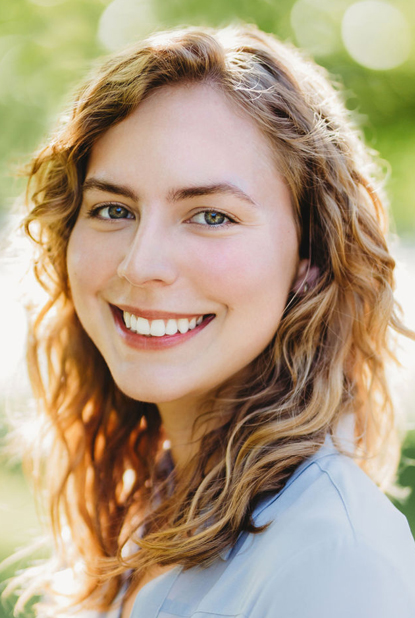 Lindsey Green, MS
E-mail: lmgreen@uw.edu
Graduate Program: University of Washington
Clinical/Research Interests: Lindsey is a PhD candidate in the Child Clinical Psychology program at the University of Washington. Her research focuses on the development of emotion regulation in children, identifying factors that promote resilience for children and families facing adversity, and developing and evaluating community programming aimed at providing psychoeducation and parenting support. Clinically, Lindsey has experience working with children, teens, and adults in a variety of settings for a range of problems including those relating to anxiety, depression, suicidality, autism, and ADHD. She is particularly passionate about working with caregivers and families to support her clients.
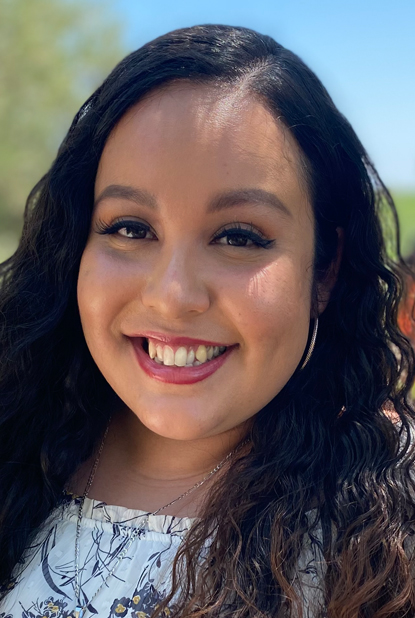 Rosa Hernandez-Ramos, MA
E-mail: rosahr@uw.edu
Graduate Program: University of California-Irvine
Clinical/Research Interests: Rosa(she/ella) is a doctoral candidate in Clinical Psychology. Her program of research focuses on scaling access to evidence-based treatments for underserved populations using nontraditional service delivery models (e.g., digital mental health, community health workers, etc.) and culturally-responsive strategies. Clinically, Rosa is passionate about providing care to children and adolescents experiencing severe emotional dysregulation, supporting their families, and providing psychological assessments for medically complex youth. On a personal note, Rosa enjoys spending time outdoors, binge-watching popular shows, and hanging out with loved ones.
Rehabilitation Neuropsychology
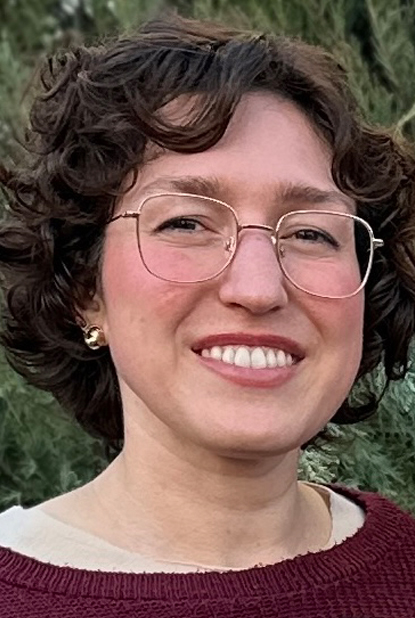 Nicole Whiteley, MS
E-mail: nwhite12@uw.edu
Graduate Program: Washington State University
Clinical/Research Interests: Nicole’s training includes neuropsychological assessment across various populations, with a focus in older adults with cognitive changes. She is particularly interested in working with those with neurodegenerative diseases, movement disorders, and acquired brain injury. Nicole’s research background largely examines subtle early symptoms as possible clinical detectors of cognitive and functional change across older adults. Her dissertation examines self-awareness (i.e., error monitoring) across healthy adults, subjective cognitive decline, and mild cognitive impairment, and how potential differences may relate to everyday functioning.
”
Last Modified: July 27, 2026