Adult Track: Katrina Rbeiz, MS | Autism and Developmental Disabilities Track: Katie Callaci, MA | Behavioral Medicine: Andrea Thomas, MA | Child Track: Lindsey Green, MS | Rehabilitation Neuropsychology Track: Nicole Whiteley, MS
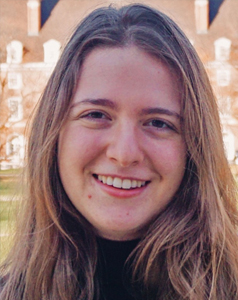
Katrina Rbeiz, MS
Why UW Psychology Internship?
UW’s General Adult Track stood out as a program because it brings together the experiences I value most in my training: strong clinical science, diverse clinical experiences across hospital settings, interdisciplinary collaboration, and ample opportunities for research and professional development. Having specialized in psychosis research and clinical work throughout my graduate training, I was particularly impressed by UW’s strengths in recovery-oriented care for serious mental illness and trauma-informed practice.
At Harborview Medical Center’s (HMC) General Psychiatry rotation, I am able to expand my knowledge of evidence-based sleep interventions, developing competency in CBT for insomnia while simultaneously conducting outpatient therapy with individuals experiencing Functional Neurological Disorder using established clinical protocols.
Through my rotation at HMC’s CBT for psychosis (CBTp) clinic, I have gained proficiency in delivering recovery-oriented cognitive-behavioral interventions for individuals across the psychosis spectrum, including single-session interventions and co-facilitated group CBTp on the acute inpatient unit.
I feel fortunate to spend the remainder of my time at Fred Hutchinson Cancer Center (FHCC), where I deliver dialectical behavior therapy (DBT) and acceptance and commitment therapy (ACT) in outpatient settings. I also co-lead a “Living with Cancer” DBT-based skills group to support patients navigating their cancer diagnoses.
Across all these settings, I collaborate with multidisciplinary teams, which allows me to provide patient-centered care that integrates psychotherapy across medical and social contexts. These experiences strengthen my ability to work effectively with individuals in acute mental health crises and meet the unique needs of medically complex populations.
Given UW’s emphasis on scientific rigor and clinical innovation, I am particularly excited to use my dedicated research time to continue working on improving treatment outcomes for individuals with psychosis spectrum conditions through the wonderful mentorship of my research, clinical, and professional development supervisors.
Last but not least, the cherry on top of UW’s internship is that it’s located in Seattle where there are so many fun and exciting activities to get involved in every week, and it makes for a great work-life balance.
Education
- Bachelor of Science in Psychology, Bachelor of Arts in Global Studies, University of Illinois – Urbana Champaign
- Master of Science, Clinical Science, Vanderbilt University
- Doctoral Candidate, Clinical Science, Vanderbilt University
Clinical Rotations
- (07/01 – 06/30) HMC Outpatient Psychiatry Clinic – Generalist
- (07/01 – 06/30) HMC Outpatient and Inpatient Psychiatry Clinic – CBT for Psychosis (CBTp)
- (07/01 – 06/30) Fred Hutch Cancer Center (FHCC)
Career Goals
I hope to pursue a career as a clinical scientist who advances recovery-oriented, evidence-based interventions for individuals with serious mental illness in community and healthcare settings. This includes a career that allows me to mentor individuals who share a commitment to advancing equitable and culturally grounded care for diverse populations. I am confident that UW’s clinical training and protected research time will give me the tools necessary to build a research program that bridges implementation science with clinical practice, with the aim of identifying serious mental illness risk (e.g. trauma) and resilience (e.g. ethnic identity) factors for underserved populations and developing culturally valid assessments and treatments.
Follow me for a week!
Sunday
- Morning: Meal prep, laundry, clean apartment
- Afternoon: Explore a farmer’s market
- Evening: Bike, take a walk around the neighborhood
Monday (OPC-DBT)
- Morning: DBT Seminar, DBT Group Supervision, chart review and preparation
- Afternoon: Individual FHCC patients, FHCC supervision, write notes
- Evening: Run, cook dinner, journal
Tuesday (OPC )
- Morning: Chart review and preparation, FHCC didactic, see patients for individual outpatient psychotherapy (HMC – Generalist)
- Afternoon: See patients for individual outpatient psychotherapy (HMC – CBTp), write notes
- Evening: Cook dinner, catch a discounted movie at a theater
Wednesday (FHCC)
- Morning: Chart review and preparation, co-lead DBT Skills Group (“Coping with Cancer and Chronic Illness”)
- Afternoon: See patients for individual outpatient psychotherapy (HMC – CBTp and Generalist), write notes
- Evening: Run home, write letters/postcards to friends and family
Thursday (Research + Didactics)
- Morning: Protected research time
- Afternoon: Grant seminar, didactics
- Evening: Try out a new happy hour
Friday (OPC)
- Morning: Chart review and preparation, see patient for individual outpatient psychotherapy (HMC – CBTp), co-lead CBTp Group on the HMC inpatient unit
- Afternoon: See patients for single-session inpatient psychotherapy (HMC), write notes
- Evening: Explore a new community event
Saturday
- Morning: Embark on a hike with friends
- Afternoon: Call friends and family
- Evening: Read outside, preferably in a park near a lake
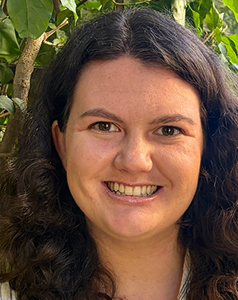
Katie Callaci, MA
Why UW Psychology Internship?
I was interested in the Autism and Developmental Disabilities Track at UW/Seattle Children’s Hospital because of the comprehensive and neuro-affirming clinical experiences offered across acuity levels (e.g., inpatient, IOP, outpatient), patient populations (e.g., autism, IDD, FASD), and ability to deliver gold-standard assessments and interventions to underserved populations within the autism/IDD community.
Residents in this track can expect to receive thorough training in assessments (e.g., Child Development Clinic, Infant Development Clinic, Specialized Neurodevelopmental Assessments, etc.) and intervention for parents (e.g., Facing Your Fears, RUBI, Families moving Forward, etc.) and youth (e.g., Mood and Anxiety Clinic, Early Intervention, etc.). My planned rotations allow me to expand my comfort in delivering feedback to families with an individualized, strengths-based approach that aligned with families’ concerns, values, and goals and enhance my ability to parse apart complex differential diagnoses.
Although the focus of the internship is clinical work, I appreciate UW’s protected 4 hours per week research time. This allows me to engage in other research on campus that share my interests (since I finished my dissertation prior to internship) all while providing me with an appropriate work-life balance. The faculty and supervisors I work with are extremely supportive by providing thoughtful feedback, protecting my writing time for notes/reports, and making sure my individualized training goals are met through a diverse range of training experiences.
Lastly, Seattle lives up to the hype as such a beautiful, vibrant area to live in, making life outside of work incredibly enjoyable! The abundancy of green scenery helped regulate me on those chaotic days and appreciate nature in a way I had not had time for during graduate school. Overall, UW was a clear choice for me with the variety and breadth of clinical work, supportive and knowledgeable faculty, and unbeatable location.
Education
- Bachelor of Arts in Psychological Science– Claremont McKenna College
- Master of Arts in Clinical Psychology – Loma Linda University
- Doctoral Candidate, Clinical Psychology – Loma Linda University
Clinical Rotations
- (07/01 – 12/31) Seattle Children’s Autism Center and Institute on Human Development and Disability (IHDD)
- Child Development Clinic, SNACS, Facing Your Fears, RUBI, Biobehavior Inpatient Program
- (01/01 – 6/30) Psychiatry and Behavioral Medicine Unit (PBMU) and Institute on Human Development and Disability (IHDD) LEND Program
Career Goals
My goal is to pursue a career as a scientist-practitioner at an academic medical center or children’s hospital, like UW/Seattle Children’s. Both clinically and research-wise, I will continue to specialize in the overlap between neurodevelopmental differences and mental health disorders (e.g., autism and OCD, anxiety, etc.). In addition to my commitment to the autism/IDD community in my research and clinical work, I also hope to engage in community-education and advocacy work to bridge the gap between the science and day-to-day experiences of this incredible population.
Follow me for a week!
Sunday
- Morning: Slow start to the morning, go for a run around the Green Lake Loop or head over to the Fremont Farmer’s Market)
- Afternoon: Get a smoothie or Starbucks
- Evening: Make dinner with my partner and watch a comfort TV show
Monday (Institute on Human Development and Disability)
- Morning: 8:30a prep for diagnostic eval (Child Development Clinic), 9a-12p administer diagnostic testing (typically cognitive and ADOS)
- Afternoon: Scoring, report writing, LEND class, supervision, family assessment feedback
- Evening: Make dinner, yoga, decompression time
Tuesday (Seattle Children’s Magnuson – SNACS)
- Morning: 8:30a group huddle, individual report writing, assessment prep, 11a-1p administer diagnostic testing
- Afternoon: 1p-3p administer second diagnostic testing, 3p-5p scoring and supervision
- Evening: pickleball with friends, go out to dinner, decompression time
Wednesday (Seattle Children’s Magnuson – Early Intervention & RUBI)
- Morning (RUBI): 8:15a group huddle, 9a-12p RUBI individual patients, 12p supervision
- Afternoon (RUBI + FYF): 1p group huddle, 1:30p RUBI family sessions, 3p FYF group huddle, 4p FYF family sessions
- Evening: Call family and friends, make dinner
Thursday (Remote/UWMC)
- Morning: protected research time (work from home in my pajamas!)
- Afternoon: 3-5p UW didactics (remote or at UWMC)
- Evening: try a new restaurant with my partner
Friday (Seattle Children’s Magnuson – Gender Clinic)
- Morning: 8:30a grand rounds, 9-11a individual patient sessions with BCBAs, 11a-12p interdisciplinary group supervision
- Afternoon: 1p supervision, 2-3p individual patient sessions, 3-4:30p behavioral coding
- Evening: Facetime my family back home, explore a new neighborhood’s restaurants and nightlife
Saturday
- Morning: Slow morning (walk around, window shopping at small businesses and bookstores)
- Afternoon: Go for a Costco run/grocery shopping
- Evening: Go out to dinner with my partner or get takeout to watch a new movie at home
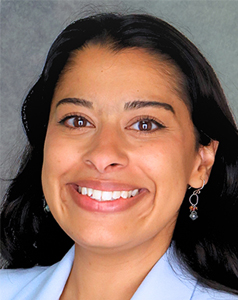
Andrea Thomas, MA
Why UW Psychology Internship?
As an aspiring health-services psychologist, I was particularly drawn to the breadth of behavioral medicine and rehabilitation training at UW. Having multiple Rehabilitation Psychology rotations was a major appeal, as was the opportunity to train with the Acute Pain Service–Rehab Psychology team. The APS rotation offers a relatively unique opportunity to work with acute pain and co-occurring SUD/PSUD; develop consultation-liaison skills; and learn nonpharmacologic approaches to acute pain management.
I was also drawn to UW Medicine’s strong culture of interdisciplinary collaboration and the history of psychology being well integrated and respected within medical teams. The research infrastructure was another important fit for me, including an assigned research mentor, four hours of protected research time, and the option to participate in the Grantsmanship Seminar for additional research time and mentorship in grant writing.
More personally, UW was a particularly meaningful choice because my interest in behavioral medicine began through my earlier work experiences at UW Medical Center–Montlake and Harborview Medical Center nearly a decade ago. Those experiences gave me an early appreciation for the role psychologists can play in helping patients navigate pain, illness, disability, and the broader impact of medical conditions on their lives. I also had the opportunity to see firsthand how supportive the internship program was in helping trainees succeed and prepare for independent careers. That combination of strong clinical training, research support, and a culture that invests in its trainees made UW a particularly compelling choice for me.
Education
- University of Alabama at Birmingham (UAB)
- PhD Clinical Psychology (anticipated 07/2027)
- MA in Clinical Psychology (06/2023)
- Western Washington University
- BS in Psychology (06/2016
Clinical Rotations
- Rotation 1 (07/01–10/31) — HMC Acute Pain Service (APS) & Comprehensive Outpatient Rehabilitation Program–Psychology (CORP)
- Rotation 2 (11/01–02/28) — HMC Inpatient Rehabilitation (IPR) & Madison Clinic
- Rotation 3 (03/31–06/30) — HMC Burn Unit & CORP
Career Goals
My long-term goal is to pursue a clinician-scientist position at an academic medical center. I hope to lead an independent research lab focused on pain science, in addition to providing inpatient/outpatient care 1–2 days a week. I hope to remain actively engaged in national and international psychology and pain science communities through collaboration, service, and mentorship. Finally, science communication and patient advocacy will remain central to my work, particularly in improving access to and outcomes for people living with pain.
Follow me for a week!
Sunday
- Morning: Groceries!
- Afternoon: Chores & weekly meal prep.
- Evening: Relax and recharge—reading, painting, or catching up with friends.
Monday
- Morning: Attend APS Team Rounds. Attend APS supervision with Dr. Bhalla. See inpatient consults and/or follow-ups, and complete charting.
- Afternoon: See CORP outpatients and complete charting.
- Evening: Watch the sunset at Olympic Sculpture Park.
Tuesday
- Morning: See CORP outpatients and complete charting.
- Afternoon: Research block! I use this time to meet with collaborators, write papers, or work on grant seminar assignments.
- Evening: $7 movie night at the SIFF!
Wednesday
- Morning: Attend APS Team Rounds. See inpatient consults and/or follow-ups, and complete charting.
- Afternoon: Attend weekly BMED “Group Sup” (present cases, engage in peer supervision, and discuss logistical concerns; this time slot is used for BMED journal club on the last Wednesday of the month). Attend CORP supervision with Dr. Deits-Lebehn. Finish inpatient charting.
- Evening: Wing Wednesday at Queen Anne Beer Hall!
Thursday
- Morning: Attend 8 AM Neuropsychology seminar with the BMED cohort at Ninth & Jefferson Building. See inpatient consults and/or follow-ups, and complete charting.
- Afternoon: Attend weekly didactics (2 hours; guest speakers on various topics, g., Motivational Interviewing, Mandated Reporting).
- Evening: Happy hour with the larger cohort or a relaxed evening at home with my partner.
Friday
- Morning: Attend APS Team Rounds. See inpatient consults and/or follow-ups.
- Afternoon: Complete inpatient charting. See 3:00 PM CORP patient and complete documentation.
- Evening: Try a new restaurant/bar/venue.
Saturday
- Morning: Coffee + the Ballard Farmers Market!
- Afternoon: Vintage shopping & Russian dumplings in Fremont!
- Evening: Try a new restaurant/bar/venue.

Lindsey Green, MS
Why UW Psychology Internship?
There are several things that drew me to the internship at UW Psychology Internship Program. First, I completed my graduate training in the UW Clinical Psychology program, and during that time, I fell in love with the Pacific Northwest and all that Seattle and the surrounding nature have to offer. I was also drawn to the opportunity to continue training within a community that has played such an important role in my development as a clinical scientist and future psychologist.
Supporting vulnerable populations has been at the core of my research and continues to guide my goals for clinical training. The rotations offered within the Child Track at Seattle Children’s Hospital, including the Specialized Neurodevelopmental Assessment and Consultation Service (SNACS) and the Psychiatry and Behavioral Medicine Unit (PBMU), provide opportunities to work with diverse youth and their caregivers experiencing significant psychosocial stressors. I have really enjoyed the opportunity to provide trauma-informed assessment and intervention while continuing to develop my skills in working with children and families with complex needs.
I also appreciate the integration of science into practice at UW. My research broadly focuses on children’s development of emotion regulation within a bioecological framework. I have examined these processes in samples that include families experiencing financial strain, and more recently, I have been involved in research examining the implementation and effectiveness of parenting interventions aimed at promoting positive outcomes in families facing significant adversity. This work, focused on understanding and responding to the needs of families, both motivates and informs my clinical work and future goals as a psychologist. The UW internship provides opportunities to extend my clinical training across several areas of interest while also offering robust research and professional development support. The Grant Writing Seminar and protected research time particularly stood out to me, and I have enjoyed the support and encouragement around research while on internship so far.
Education
- Georgia State University – B.S. in Psychology, Minor in Philosophy
- University of Washington Ph.D. Clinical Psychology Program (child track) – Ph.D. Candidate
- University of Washington Ph.D. Clinical Psychology Program (child track) – Master of Science in Clinical Psychology
Clinical Rotations
- (7/1- 12/31) Outpatient: Specialized Neurodevelopmental Assessment and Consultation Service (SNACS), the training clinic, Early Childhood Clinic (ECC), and minor rotations in the Mood and Anxiety Program (MAP) and Behavior and Attention Management Program (BAM)
- (01/01 – 03/31) Inpatient: Psychiatry Consultation and Liaison Service (C/L)
- (04/01 – 06/30) Inpatient: Psychiatry and Behavioral Medicine Unit (PBMU)
Career Goals
My long-term career goal is to contribute to research and clinical services that promote positive outcomes for children and families experiencing adversity. As a clinical scientist, I aim to better understand the individual, family, and environmental factors that support child well-being while developing and disseminating culturally responsive, trauma-informed interventions for children and caregivers in collaboration with other researchers, practitioners, and community partners.
Follow me for a week!
Sunday
- Morning: pack my bag, meet with friends, and pick up coffee on our way to a hike
- Afternoon: Still hiking!
- Evening: unwind with some tv after spending the day outdoors, prepare for the week
Monday (SNACS + Training Clinic)
- Morning: SNACS administration time, writing reports and preparing for testing, prepare for individual sessions
- Afternoon: see individual therapy cases in the training clinic
- Evening: Training Clinic cases until 6, head home to meal prep
Tuesday (MAP + Training Clinic)
- Morning: Prepare for clients and groups, Super Parenting group, join MAP consult team meeting
- Afternoon: see individual therapy cases in the training clinic, ECC consult visit
- Evening: ECC Parent Group ends at 6 then heading to workout class
Wednesday (EDRP)
- Morning: Supervision meetings with Drs. Lolley, Kuhn, and Santillan
- Afternoon: Work on finalizing a manuscript and an abstract for upcoming conference submission
- Evening: Go for a run with a friend around Greenlake
Thursday (Research + Didactics)
- Morning: ECC rounds and consult visits
- Afternoon: Grant writing Seminar and Didactics
- Evening: Meet friend for dinner in Fremont
Friday (SNACS)
- Morning: Team huddle, case review, neuropsychological testing with a child
- Afternoon: SNACS supervision, scoring, report writing
- Evening: Catching up with friends over an early dinner and unwinding with a book
Saturday
- Morning: sleep in and run some errands
- Afternoon: Walk around the park while catching up with family over the phone
- Evening: Meet with friends at a community event and watch the sunset in West Seattle
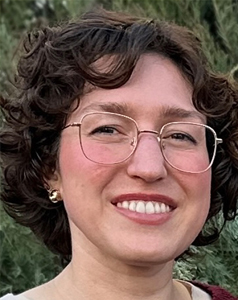
Nicole Whiteley, MS
Why UW Psychology Internship?
I was particularly interested in the UW psychology internship for their training opportunities in both neuropsychology and rehabilitation psychology. The program offers a unique blend of complex medical populations across inpatient and outpatient rehabilitation, as well as a breadth of neuropsychological assessment. The atmosphere at UW emphasizes a collaborative, interdisciplinary approach which further supported my interest in prioritizing the program. It has also allowed me the space to continue my research interests through protected research time and the Grant Writing and Career Development Seminar.
Education
- Seattle University – B.S. in Psychology
- Washington State University – M.S. in Clinical Psychology
- Washington State University – Ph.D. Candidate in Clinical Psychology
Clinical Rotations
- Rotation 1 (July – Oct): UWMC Inpatient Rehab + Outpatient Neuropsych Assessment at UWMC
- Rotation 2 (Nov-Mar): Harborview Medical Center (HMC) Acute Pain Service + Outpatient Neuropsych Assessment at HMC
- Rotation 3 (Apr-June): HMC Consult Service + Outpatients at the HMC Peripheral Nerve Clinic and the HMC Outpatient Rehab Clinic (CORP)
Career Goals
I’m interested in conducting clinically meaningful research and provide comprehensive neuropsychological assessments and interventions in an academic medical setting. Following completion of internship, I hope to complete a postdoctoral fellowship with specialization in clinical neuropsychology and in preparation for future board certification. I am also interested in pursuing board certification in rehabilitation psychology, in order to blend both of my passions. I ultimately aspire to obtain a clinical position that also allows me to conduct research as a clinical neuropsychologist at an academic medical center.
Follow me for a week!
Sunday
- Spend time with friends, go to a show, work on research, try a new restaurant
Monday (SNACS + Training Clinic)
- Outpatient rehabilitation psychotherapy
- Inpatient, interdisciplinary team huddles for inpatient rehab
- Inpatient rehabilitation clinical time
- Neuropsych report writing
Tuesday
- Neuropsychological assessment case preparation, intake, report writing and/or supervision
- Inpatient rehabilitation clinical time
- Inpatient supervision
Wednesday
- Outpatient supervision
- Journal club
- Plan of Care team meeting for inpatient rehab
- Outpatient rehabilitation psychotherapy
- Neuropsychological assessment case preparation, intake, report writing and/or supervision
Thursday
- Neuropsych/Rehab Seminar
- Research time
- Grant writing seminar
- Didactics
Friday
- Group supervision
- Inpatient rehabilitation clinical time
- Neuropsych report writing
Saturday
- Spend time with friends, go to a show, work on research, try a new restaurant
Last Modified: August 25, 2026